ankit.jain@sousys.co.in
 +91-9870499396
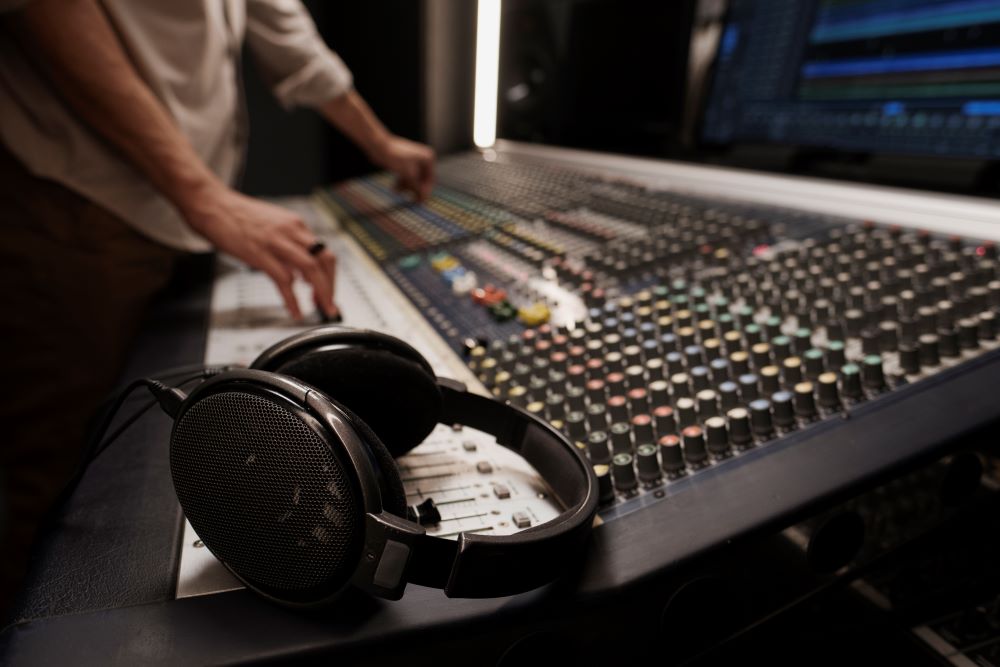
When you’re shopping for DJ speakers or upgrading your sound system, you’ll often see terms like wattage and SPL (Sound Pressure Level) in the specifications. These numbers might seem technical, but understanding them is key to choosing the right speakers for your setup. At Sousys, we believe that informed choices lead to better sound. Let’s break it down in simple terms.
- Understanding Speaker Wattage
Wattage refers to the amount of electrical power a speaker can handle. But here’s the thing — higher wattage doesn’t automatically mean better sound.
There are usually two wattage ratings you’ll notice:
- RMS (Continuous) Power – The power a speaker can handle continuously without damage. This is the most important rating to look at because it reflects real-world usage.
- Peak Power – The maximum power the speaker can handle in short bursts. It’s often double or triple the RMS value but not as important for everyday use.
Example:
If a speaker is rated at 500W RMS and 1000W Peak, it can handle 500 watts continuously, but it can briefly handle peaks of 1000 watts without distortion.
💡 Pro Tip: Match your amplifier’s power output to your speaker’s RMS rating for optimal performance.
- Understanding SPL (Sound Pressure Level)
SPL measures how loud your speaker can get, usually given in decibels (dB). This is measured with 1 watt of power at a distance of 1 meter (often written as dB @ 1W/1m).
The higher the SPL rating, the more efficiently a speaker converts power into sound.
Why SPL Matters:
- A speaker with a 95 dB SPL rating will sound louder than one with 90 dB SPL, even with the same wattage.
- Every 3 dB increase roughly means double the sound output.
- Wattage vs SPL – Which is More Important?
Wattage tells you how much power a speaker can handle.
SPL tells you how loud it can get with that power.
For example:
- A low SPL, high wattage speaker might need a lot of power to get loud.
- A high SPL, moderate wattage speaker can achieve impressive volume with less power.
That’s why professionals look at both ratings together to get the complete picture.
- Putting It All Together for Your Setup
When choosing DJ speakers:
- Look at RMS Wattage for realistic power handling.
- Check SPL rating for efficiency and loudness.
- Consider your venue size — small spaces need less power, large venues need higher wattage and SPL.
- Don’t forget other specs like frequency response and driver size for sound quality.
Final Word from Sousys
At Sousys, we provide a wide range of professional DJ speakers with clear wattage and SPL specifications so you can make an informed choice. Whether you’re performing at a club, wedding, or outdoor event, understanding these numbers ensures you get the right balance of power and clarity.
Better specs, better sound — that’s the Sousys way.