• email ankit.jain@sousys.co.in
  • phone +91-9870499396

How to Choose the Best PA System for Outdoor Events

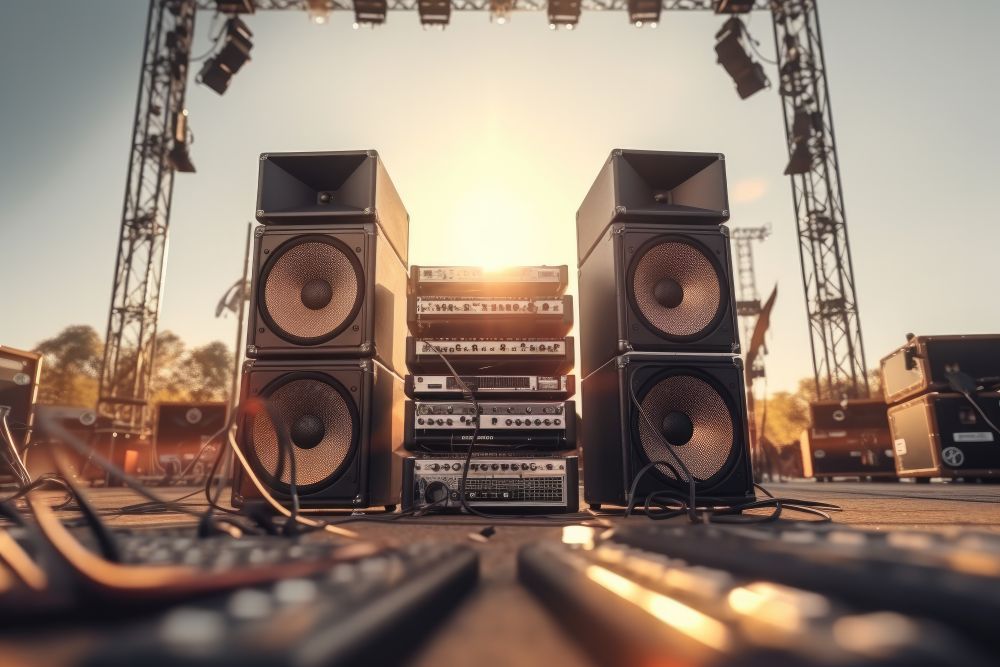
Planning sound for an outdoor event is very different from setting up indoors. Open spaces can swallow sound, weather can interfere, and you often need more power to reach your audience clearly. Choosing the right PA (Public Address) system is key to making sure every beat, note, and announcement is heard. At Sousys, we know that the right gear can turn an outdoor gig into an unforgettable experience.

  1. Understand Your Event Needs

Before you shop for a PA system, consider:

  • Audience size – A small garden party might need just a couple of powered speakers, while a large festival needs a line array system with subwoofers.
  • Type of event – Is it a live DJ performance, a speech, or a band show? Music-heavy events require more powerful, full-range systems.
  • Venue shape – An open field needs wide sound coverage, while a street performance might need directional projection.
  1. Power and Wattage

Outdoors, sound has no walls to bounce off, so you’ll need more wattage than for an indoor event. Look for:

  • Higher RMS wattage to ensure consistent volume.
  • High SPL rating for better sound projection with less distortion.
    💡 Tip: Always allow extra headroom in power so your system isn’t running at maximum capacity the whole time.
  1. Speaker Type and Configuration

For outdoor events, you’ll usually choose between:

  • Powered (Active) Speakers – Easy setup, ideal for smaller to medium-sized events.
  • Line Array Systems – Designed for large crowds and wide coverage.
  • Subwoofers – Essential for bass-heavy performances to deliver deep, punchy low-end.
  1. Weather and Durability

Outdoor conditions can be unpredictable. Choose equipment that is:

  • Weather-resistant or with covers to protect from rain and dust.
  • Built with rugged enclosures for transport and setup on uneven ground.
  1. Portability and Setup

Outdoor events often mean hauling gear across fields or streets. Look for:

  • Lightweight yet powerful speaker models.
  • Stands, poles, or rigging hardware for optimal sound direction.
  • Easy cable management to avoid trip hazards.
  1. Don’t Forget the Mixer

A mixer lets you control sound levels for microphones, instruments, and playback devices. For outdoor events, choose one with:

  • Multiple input channels.
  • Built-in EQ for adjusting to open-air acoustics.
  • Effects like reverb or delay if you’re working with vocals or live instruments.

Final Word from Sousys

The best PA system for outdoor events combines power, clarity, and durability. At Sousys, we offer a full range of speakers, subwoofers, and sound solutions designed for everything from small street performances to large-scale festivals. With the right setup, your sound will travel far and stay crystal clear — no matter where your crowd is standing.

Great events start with great sound. Let Sousys be your sound partner.
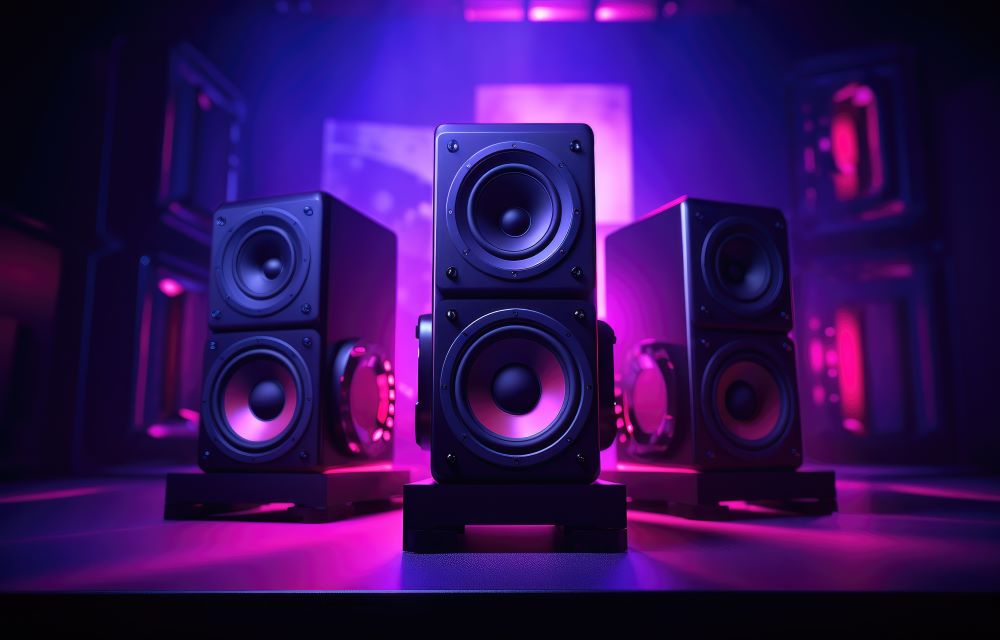
Do I Need a Subwoofer? DJ Sound Explained Simply

If you’re building your DJ setup, you might be wondering — is a subwoofer really necessary? The short answer: it depends on your music style, event size, and sound expectations. At Sousys, we believe that understanding your sound equipment is the first step to delivering a performance your audience will remember.

  1. What Does a Subwoofer Do?

A subwoofer is a special speaker designed to reproduce low-frequency sounds — the deep bass you can feel as much as you can hear. While regular speakers (tops) handle mid and high frequencies, subwoofers focus on the 20–200 Hz range, making your sound fuller and more powerful.

Think of it like this:

  • Without a subwoofer – Your tracks will sound clear, but might lack punch in the bass.
  • With a subwoofer – Your audience will feel the kick drums, basslines, and drops.
  1. When You Definitely Need a Subwoofer

You should consider adding a subwoofer if:

  • You play bass-heavy genres like EDM, hip-hop, techno, or drum & bass.
  • You perform at large venues or outdoors where bass can get lost in open space.
  • You want to reduce strain on your main speakers, letting them focus on mids and highs for cleaner sound.
  1. When You Can Skip It

A subwoofer might not be essential if:

  • You play mostly acoustic, jazz, pop, or soft rock where deep bass isn’t as critical.
  • You only perform in small indoor spaces where powerful bass might overwhelm the room.
  • Your active full-range speakers already deliver enough low-end for your needs.
  1. Passive vs Active Subwoofers

Just like DJ speakers, subwoofers can be:

  • Passive – Requires an external amplifier.
  • Active (Powered) – Has a built-in amp for easy plug-and-play use.

💡 Pro Tip: Match your subwoofer’s wattage and crossover settings with your main speakers for a smooth, balanced sound.

  1. Final Word from Sousys

A subwoofer isn’t just about louder bass — it’s about creating an immersive experience where the audience can feel every beat. At Sousys, we offer a wide range of high-quality subwoofers for DJs of all levels, so whether you’re playing in a lounge or rocking a festival stage, we’ve got the low-end power you need.

Your crowd won’t just hear the music — they’ll feel it.


Passive vs Active DJ Speakers: What’s the Difference?

If you’re setting up your DJ sound system, one of the first choices you’ll face is passive vs active speakers. While both can deliver excellent sound, they work in different ways — and choosing the right type can make a big difference in your performance. At Sousys, we want to help you understand these differences so you can pick the speakers that fit your style, budget, and event needs.

  1. What Are Passive DJ Speakers?

Passive speakers require an external amplifier to produce sound. They don’t have built-in power — instead, they receive an amplified audio signal from a separate amp or powered mixer.

Key Features:

  • Requires external amp – Gives you flexibility to upgrade or change your amplifier later.
  • Usually lighter – No built-in electronics mean easier transport.
  • Customizable – You can mix and match amps and speakers to create your ideal sound setup.

Ideal For:

  • DJs who already own amplifiers.
  • Installations in clubs or venues where the amp stays fixed.
  • Sound engineers who like full control over every component.
  1. What Are Active DJ Speakers?

Active speakers (also called powered speakers) have a built-in amplifier inside the cabinet. You just plug in your audio source and power cable — no separate amp needed.

Key Features:

  • All-in-one design – Amplifier is matched perfectly to the speaker drivers.
  • Quick setup – Fewer cables and components.
  • Built-in controls – Often include volume, EQ, and input options.

Ideal For:

  • Mobile DJs who need fast, hassle-free setups.
  • Beginners who don’t want to deal with matching amps to speakers.
  • Events where portability and speed are important.
  1. Passive vs Active: Pros and Cons
Feature Passive Speakers Active Speakers
Setup Requires amp and more cables Plug-and-play
Weight Lighter (no built-in amp) Heavier due to built-in electronics
Flexibility Can upgrade amp separately Amp is fixed inside the speaker
Reliability One component failure doesn’t stop the show If amp fails, whole speaker is down
Portability More components to carry Easier for mobile use
  1. Which One Should You Choose?
  • Choose Passive if you already have an amplifier, want flexibility, or are installing in a fixed venue.
  • Choose Active if you want convenience, speed, and portability without extra equipment.

💡 Pro Tip from Sousys: Many professional DJs use a mix — active speakers for main events and passive speakers for installations or backup setups.

At Sousys, we offer both passive and active DJ speakers so you can find exactly what you need. Whether you prefer the flexibility of passive systems or the convenience of active ones, our range is designed to deliver powerful, clear sound for every performance.

Your music deserves the right speakers — and we’ll help you find them.


How to Read Speaker Wattage and SPL Ratings

When you’re shopping for DJ speakers or upgrading your sound system, you’ll often see terms like wattage and SPL (Sound Pressure Level) in the specifications. These numbers might seem technical, but understanding them is key to choosing the right speakers for your setup. At Sousys, we believe that informed choices lead to better sound. Let’s break it down in simple terms.

  1. Understanding Speaker Wattage

Wattage refers to the amount of electrical power a speaker can handle. But here’s the thing — higher wattage doesn’t automatically mean better sound.

There are usually two wattage ratings you’ll notice:

  • RMS (Continuous) Power – The power a speaker can handle continuously without damage. This is the most important rating to look at because it reflects real-world usage.
  • Peak Power – The maximum power the speaker can handle in short bursts. It’s often double or triple the RMS value but not as important for everyday use.

Example:
If a speaker is rated at 500W RMS and 1000W Peak, it can handle 500 watts continuously, but it can briefly handle peaks of 1000 watts without distortion.

💡 Pro Tip: Match your amplifier’s power output to your speaker’s RMS rating for optimal performance.

  1. Understanding SPL (Sound Pressure Level)

SPL measures how loud your speaker can get, usually given in decibels (dB). This is measured with 1 watt of power at a distance of 1 meter (often written as dB @ 1W/1m).

The higher the SPL rating, the more efficiently a speaker converts power into sound.

Why SPL Matters:

  • A speaker with a 95 dB SPL rating will sound louder than one with 90 dB SPL, even with the same wattage.
  • Every 3 dB increase roughly means double the sound output.
  1. Wattage vs SPL – Which is More Important?

Wattage tells you how much power a speaker can handle.
SPL tells you how loud it can get with that power.

For example:

  • A low SPL, high wattage speaker might need a lot of power to get loud.
  • A high SPL, moderate wattage speaker can achieve impressive volume with less power.

That’s why professionals look at both ratings together to get the complete picture.

  1. Putting It All Together for Your Setup

When choosing DJ speakers:

  • Look at RMS Wattage for realistic power handling.
  • Check SPL rating for efficiency and loudness.
  • Consider your venue size — small spaces need less power, large venues need higher wattage and SPL.
  • Don’t forget other specs like frequency response and driver size for sound quality.

Final Word from Sousys

At Sousys, we provide a wide range of professional DJ speakers with clear wattage and SPL specifications so you can make an informed choice. Whether you’re performing at a club, wedding, or outdoor event, understanding these numbers ensures you get the right balance of power and clarity.

Better specs, better sound — that’s the Sousys way.


Understanding Frequency Response in DJ Speakers by Sousys

Whether you’re spinning tracks at a packed club or hosting a private party, one of the most important aspects of your DJ setup is your sound quality—and that starts with understanding frequency response in your DJ speakers. At Sousys, we know how crucial it is to get the clearest highs, punchiest mids, and deepest bass. But what does frequency response really mean—and why should DJs care?

What is Frequency Response?

Frequency response refers to the range of sound frequencies a speaker can reproduce. It’s typically measured in Hertz (Hz) and shown as a range—like 50 Hz to 20,000 Hz (20 kHz). This means the speaker is capable of producing sounds from low bass tones (50 Hz) to high treble tones (20 kHz).

A flat frequency response is often ideal for studio monitors because it means the speaker plays all frequencies at the same volume, without emphasizing or de-emphasizing certain tones. But for DJ speakers, a slightly enhanced low or high range can create a more dynamic and engaging sound for live audiences.

Why Frequency Response Matters for DJs

Here’s how frequency response impacts your DJ performance:

  1. Bass Response for Beat Drops
    Lower frequencies (20 Hz–250 Hz) are responsible for the bass and kick drums. If your speaker can’t handle these, the music may feel weak or hollow. Sousys DJ speakers are designed to deliver solid bass, ensuring your beat drops hit hard.
  2. Midrange Clarity for Vocals
    The midrange (250 Hz–4,000 Hz) is where vocals, synths, and instruments live. Clear mids ensure the soul of your music comes through, which is crucial for any genre, from house to hip-hop.
  3. High-End Sparkle
    Higher frequencies (4,000 Hz–20,000 Hz) bring out the detail and sparkle—hi-hats, cymbals, and ambient effects. Too much, and it becomes piercing; too little, and the music sounds dull. Our speakers are engineered for balanced treble, giving your sets the professional finish they deserve.

How to Read a Frequency Response Chart

A frequency response chart plots frequency (Hz) on the X-axis and decibel level (dB) on the Y-axis. A flat line indicates an even response, but some speakers are intentionally tuned with a “smile curve”—boosted bass and treble for a more exciting sound profile, common in live sound systems like ours.

Matching Frequency Response with Venue Size

For small rooms or studio sessions, a narrower frequency range may be acceptable. But for large venues, festivals, or outdoor gigs, you’ll need a speaker system (like our Line Array Series) that covers the full audio spectrum with power and precision.

Why Choose Sousys DJ Speakers?

At Sousys, we don’t just build speakers—we build experiences. Each of our DJ speaker models is tested to deliver optimal frequency response for real-world performances. Whether you’re looking for 12-inch, 15-inch, or 18-inch models, you’ll find powerful, balanced sound ready to elevate your set.

Understanding frequency response isn’t just for audio engineers—it’s vital knowledge for every serious DJ. When you know what your speakers can do, you can mix with confidence, control your sound better, and give your audience a performance they’ll never forget.

Ready to experience unmatched frequency response?
Check out our DJ Speaker Collection and find the right gear for your next gig.

Best Audio Gear Combos: Pairing Your Speaker with the Right Amplifier

Getting great sound isn’t just about choosing the right speaker—it’s also about powering it with the right amplifier. At Sousys, we often get asked: “Which amp should I use with my DJ speaker?” The answer depends on your setup, venue, and performance goals. In this blog, we’ll guide you through the best audio gear combinations, so your system delivers the clarity, punch, and power your audience expects.

  1. Understand the Power Match

The golden rule of pairing speakers with amplifiers is:

Amplifier RMS power should be 1.2x to 2x the speaker’s RMS rating.

This ensures enough clean headroom and prevents distortion or clipping, especially when you’re pushing your system at high volumes.

Example:

  • If you’re using a Sousys 15-inch DJ speaker with 500W RMS, pair it with an amp that delivers 600W–1000W RMS per channel at the same impedance.
  1. Pairing Suggestions by Speaker Type

Here’s a breakdown of ideal amp pairings for Sousys speakers:

12-Inch Speakers

  • Recommended Use: Small gigs, DJ monitoring
  • Suggested Amp: 400–600W RMS per channel
  • Ideal Pair: Sousys Compact Amp or a lightweight Class D amplifier

15-Inch Speakers

  • Recommended Use: Medium venues, weddings
  • Suggested Amp: 600–1000W RMS per channel
  • Ideal Pair: High-efficiency amp with thermal protection & DSP options

18-Inch Subwoofers

  • Recommended Use: Bass-heavy performances, outdoor gigs
  • Suggested Amp: 1000–1500W RMS
  • Ideal Pair: Dedicated subwoofer amplifier or bridged mono power amp

21-Inch Subwoofers

  • Recommended Use: Festivals, large venues
  • Suggested Amp: 1500–2500W RMS
  • Ideal Pair: Heavy-duty amp with built-in limiter and ventilation system
  1. Match Impedance Correctly

Always match the impedance (ohms) of your speaker and amp. Most DJ speakers run at 8 ohms or 4 ohms, so choose amps that deliver the correct power at that rating.

  • Running two 8-ohm speakers in parallel? That’s a 4-ohm load.
  • Using a 4-ohm speaker? Ensure the amp can safely handle 4-ohm loads without overheating.
  1. Go for Built-in DSP (Digital Signal Processing)

Modern amplifiers with built-in DSP give you better EQ control, crossover settings, and limiting features. These are especially useful when pairing with high-performance Sousys speakers for tuned sound without the need for external processors.

  1. Active Speakers: All-in-One Simplicity

Don’t forget: Sousys also offers active (powered) speakers, where the amp is already matched and built-in. If you’re looking for plug-and-play ease, this is a great option—especially for solo DJs or mobile setups.

Ask Before You Amp

Still unsure what amp to use for your specific speaker model? The Sousys support team is always ready to help you find the right combo. A properly paired system protects your gear, enhances performance, and ensures you always sound your best.


How Sousys DJ Speakers Deliver Professional-Grade Sound

Whether you’re performing at a packed club or hosting an outdoor event, sound quality can make or break the experience. At Sousys, we understand that DJs, event managers, and audio professionals demand clarity, power, and reliability—and that’s exactly what our DJ speaker lineup is built to deliver. Let’s explore how Sousys DJ speakers consistently provide professional-grade sound you can trust.

  1. Engineered for Precision Audio

Sousys DJ speakers are designed with advanced acoustic engineering that ensures each frequency—bass, midrange, and treble—is delivered with precision. Whether it’s a booming drop or a soft vocal cue, the speaker doesn’t distort or muffle—giving your audience a crystal-clear sound experience.

  • Tuned crossover networks for smoother frequency transitions
  • High-sensitivity drivers for more output with less power
  • Balanced tonal response across all volumes
  1. Power That Fills Every Corner

From compact indoor halls to sprawling outdoor arenas, power matters. Sousys speakers are built with high-wattage output and optimized cabinet designs to maximize sound dispersion. This ensures your audio reaches the back row just as cleanly as the front.

  • Available in 12″, 15″, 18″, and 21″ speaker sizes
  • Subwoofers and tops designed for full-range performance
  • AG and AX Series options for different venue requirements
  1. Built for the Real-World Gig Life

Professional audio gear must withstand tough environments—frequent transport, setup, and teardown. That’s why Sousys DJ speakers are constructed using durable enclosures, metal grills, and shock-resistant designs. You can rely on them gig after gig.

  • Rugged wooden and composite cabinets
  • Protective mesh grilles and handles for easy mobility
  • Thermal protection and overload safety circuits
  1. Modular and Upgrade-Friendly

Sousys systems are modular, allowing DJs to build or expand setups as needed. Whether you’re starting with a pair of 15-inch tops or adding a stack of subwoofers, the speakers integrate effortlessly with your mixers, amplifiers, and other gear.

  • Compatible with standard DJ and PA systems
  • Line Array options for larger event coverage
  • Ideal for both portable setups and permanent installations
  1. Tested by Professionals, Trusted Nationwide

Sousys DJ speakers aren’t just engineered in labs—they’re tested in the field by real DJs and sound engineers. From weddings to music festivals, they’ve proven their mettle under high-pressure conditions, earning the trust of professionals across India.

Why Settle for Less?

When you invest in Sousys DJ speakers, you’re not just buying a product—you’re choosing performance, reliability, and clarity that stands above the rest. Whether you’re upgrading your current rig or starting fresh, Sousys offers the sound power you need to shine.


Top 5 DJ Speakers from Sousys for Powerful Performances

When it comes to delivering unforgettable live performances, sound quality can make or break the experience. Sousys has carved a niche in the world of professional audio with DJ speakers that offer both power and clarity. Here are the top 5 DJ speakers from Sousys that are perfect for powerful performances:

  1. SS‑15X400 (15″, 400 Watt Ferrite Series)

A reliable 15-inch speaker built for high-energy events. It features a strong ferrite magnet and an aluminum frame, making it capable of projecting deep, clean sound over long distances. Ideal for DJs performing in mid-sized venues or outdoor gigs.

  1. SS‑12NDL100 (12″ Neodymium DJ Speaker)

Lightweight yet powerful, this 12-inch speaker uses a Neodymium magnet to produce high output with low power consumption. With around 500 W RMS power handling, it’s great for mobile DJs and compact setups without sacrificing sound quality.

  1. SS‑21N601 (21″ DJ Speaker)

For bass that truly moves the crowd, the SS‑21N601 is a powerhouse. Its massive 21-inch driver delivers thunderous lows, ideal for clubs, concerts, and large outdoor events. It handles heavy beats with ease and maintains clarity even at high volumes.

  1. PD1850 (2,000 W Bass Speaker)

This beast is designed for DJs who need a powerful low-end response. With a capacity of up to 2,000 W, it’s perfect for music genres that demand deep bass—like EDM, hip-hop, or live sets in large halls. Expect heart-thumping performance and reliability.

  1. SS‑PD2160DM (3,000 W High-Power Model)

One of the most powerful offerings from Sousys, this model delivers an incredible 3,000 W. It comes with a large voice coil and heavy-duty magnet, making it perfect for stadiums, festivals, and large-scale events. Built for durability and distortion-free output, this speaker is a serious performer.

What Makes These Speakers Stand Out

  • Powerful Performance: Whether it’s 400 W or 3,000 W, these models are built for commanding sound.
  • Magnet Options: Neodymium offers lightweight efficiency, while ferrite ensures durability and strong sound projection.
  • Versatility: Suitable for different venues, music styles, and crowd sizes.
  • Clarity & Bass: Crisp highs, full mids, and punchy lows ensure your audience feels the music.

Best Use Cases

Model Driver Size Power Rating Best For
SS‑15X400 15″ 400 W Medium-sized events, general use
SS‑12NDL100 12″ 500 W Portable setups, DJs on the go
SS‑21N601 21″ High Bass-focused performances
PD1850 15″ Dual? 2,000 W Bass-heavy genres, large venues
SS‑PD2160DM Top driver 3,000 W Massive events, high-energy shows

Choosing the Right DJ Speaker

  1. Consider Venue Size: Bigger venues need higher wattage and larger drivers.
  2. Weight Matters: Neodymium models are lighter for mobile setups.
  3. Power Matching: Ensure speaker and amplifier wattages align.
  4. Test the Sound: Always check for clarity, distortion, and bass response before buying.

Whether you’re just starting your DJ journey or you’re upgrading your gear for a professional stage, Sousys offers a range of speakers designed to deliver reliable, high-performance sound. From compact options to powerhouse models, there’s a Sousys speaker built for every sound system.

Ready to raise the roof? Let the right sound set the vibe.


Everything You Need to Know About 18-Inch Subwoofers

When it comes to earth-shaking bass and a truly immersive sound experience, nothing delivers quite like an 18-inch subwoofer. Whether you’re a professional DJ, event organizer, sound engineer, or just an audiophile who craves deep, punchy lows, 18-inch subwoofers are the backbone of high-performance audio setups. In this blog, we’ll break down everything you need to know about these powerful speakers and why the Sousys 18-inch subwoofer range should be your top pick.

What is an 18-Inch Subwoofer?

An 18-inch subwoofer is a type of loudspeaker driver that specializes in producing low-frequency sounds — also known as bass. With a larger diaphragm than 10, 12, or even 15-inch subs, the 18-inch woofer is designed for maximum air displacement, which translates to deeper and louder bass.

These subwoofers are commonly used in:

  • DJ and live sound systems

  • Outdoor and indoor event venues

  • Concerts and festivals

  • Nightclubs and lounges

  • House of worship and theaters

Key Features of 18-Inch Subwoofers

Here’s what sets 18-inch subwoofers apart:

1. Power Handling

These subs are built to handle high wattage, often exceeding 1000W RMS, making them perfect for large-scale audio systems.

2. Extended Bass Response

Expect frequency responses that go as low as 30Hz, giving you that heart-pounding thump that you can feel as much as hear.

3. High SPL (Sound Pressure Level)

They deliver high decibel output, which is ideal for cutting through ambient noise in large spaces or outdoor events.

4. Durability

Sousys 18-inch subs are made using heavy-duty components, ensuring they withstand the rigors of frequent transportation and long playing hours.

5. Efficient Cooling Systems

Our models are designed with vented pole pieces and advanced cooling structures to prevent overheating during intense performances.

Why Choose Sousys 18-Inch Subwoofers?

At Sousys, we know audio. Our 18-inch subwoofers are engineered for performance, reliability, and clarity — even at extreme volume levels. Here’s what makes our lineup stand out:

  • High-grade voice coils for better thermal management

  • Rugged enclosures that protect against wear and tear

  • Optimized cone design for improved bass projection

  • Easy integration into existing PA setups

We offer models to match a variety of needs — from portable powered subs to passive beasts built for fixed installations.

👉 Explore our 18-Inch Subwoofers

When Should You Upgrade to an 18-Inch Subwoofer?

If you’re currently using a 12- or 15-inch sub and feel your system lacks that deep, room-filling bass, it’s time to consider an upgrade. Here are some signs:

  • Your venue is large or outdoors

  • Your current bass gets muddy at high volume

  • You’re playing genres like EDM, hip-hop, or dubstep that demand deep bass

  • You need tighter low-end punch for professional gigs

An 18-inch subwoofer is not just a piece of equipment — it’s a bass powerhouse that elevates your sound system to professional levels. At Sousys, we combine cutting-edge technology with robust design to give you subs that don’t just perform — they impress.

Whether you’re preparing for your next DJ gig, upgrading your club’s sound system, or setting up for an open-air event, trust Sousys 18-inch subwoofers to deliver the deep, defined bass your audience craves.

Ready to feel the bass?
Explore our 18-inch subwoofer collection at Sousys.co.in and make your sound system complete.

Why Sound Quality Can Make or Break Your Event

Whether it’s a wedding, concert, corporate gathering, or DJ night—sound quality can make or break the entire experience. While most people notice the food and decor, it’s often the sound that truly sets the mood and keeps the energy flowing.

At Sousys, we believe great audio is not just about volume—it’s about clarity, consistency, and connection. Here’s why sound quality matters more than you think at your event.

First Impressions Count

The moment your guests walk in, the sound environment greets them. Is the music crisp or muffled? Is the mic clear or echoing? A poor audio setup can instantly make the event feel disorganized, while high-quality sound creates a professional, immersive vibe right from the start.

Every Word Matters

In conferences, weddings, or public events, speech clarity is crucial. Poor sound means missed announcements, unclear speeches, and frustrated audiences. With professional-grade speakers and proper sound placement, every word reaches the crowd loud and clear—without distortion or feedback.

Music Feeds the Mood

Music sets the tone—uplifting, emotional, energetic, or chilled. But even the best playlist can fall flat if the sound system lacks punch or depth. DJ speakers, subwoofers, and line arrays from Sousys ensure your beats hit hard, vocals stay clean, and the dancefloor stays alive.

Poor Sound = Audience Fatigue

Believe it or not, bad sound tires people out. Constant distortion, uneven volume levels, or buzzing speakers can subconsciously irritate guests and shorten their attention span. Clean, balanced sound keeps the crowd engaged, relaxed, and enjoying every moment.

Space Matters—And So Does Setup

A small room doesn’t need huge speakers—but a big crowd does. Using the wrong speaker size or setup can ruin your event. At Sousys, we help clients match the right speaker size (12″, 15″, 18″, or 21″) with the right layout, ensuring sound is evenly spread—no loud corners or dead zones.

Professional Sound Shows You Care

Investing in high-quality audio equipment tells your audience you’re serious about delivering a great experience. It boosts your brand image, enhances customer satisfaction, and increases the chances of getting hired again—especially if you’re a DJ, planner, or event organizer.

Conclusion: Great Sound Is Non-Negotiable

Your event might have the best lights, decor, or catering—but if your sound fails, the whole vibe collapses. Whether you’re planning a wedding, concert, religious gathering, or DJ set, sound quality is the backbone of your experience.

Level Up Your Sound with Sousys

At Sousys, we offer a complete range of DJ speakers, line array systems, subwoofers, and PA solutions engineered for professional sound delivery across all event types.

Need help choosing the right setup?
Visit Sousys.co.in or connect with our sound experts today.

Proud Participant

Subscribe to our Newsletter

Subscribe to our newsletter to get latest news about our products, events and sales.

How can I help you?