• email ankit.jain@sousys.co.in
  • phone +91-9870499396

सबसे अच्छा डीजे स्पीकर कौन सा है? (DJ के लिए सही स्पीकर कैसे चुनें)

आज के समय में DJ सिर्फ म्यूज़िक नहीं बजाता, बल्कि माहौल बनाता है। शादी हो, पार्टी हो, क्लब नाइट हो या बड़ा म्यूज़िक इवेंट — हर जगह एक चीज़ सबसे ज़्यादा मायने रखती है: दमदार DJ स्पीकर
लेकिन सवाल वही है — सबसे अच्छा DJ स्पीकर कौन सा है?

इस ब्लॉग में हम आपको आसान भाषा में बताएंगे कि अच्छा DJ स्पीकर कैसे पहचानें और क्यों Sousys DJ Speakers प्रोफेशनल्स की पहली पसंद बन रहे हैं।

अच्छा DJ स्पीकर किसे कहते हैं?

सबसे अच्छा DJ स्पीकर वही होता है जो इन सभी चीज़ों में बैलेंस बनाए:

1. दमदार साउंड क्वालिटी

DJ स्पीकर में High Bass, Clear Mid और Sharp Treble होना ज़रूरी है। भीड़ के शोर में भी आवाज़ साफ़ और ज़ोरदार सुनाई दे।

2. पावर और आउटपुट

बड़े इवेंट्स के लिए High Watt Output बहुत जरूरी है। Sousys के DJ स्पीकर्स बड़े वेन्यू के लिए भी परफेक्ट पावर देते हैं।

3. मजबूत बॉडी और टिकाऊपन

DJ स्पीकर्स को बार-बार ट्रांसपोर्ट करना पड़ता है। Sousys स्पीकर्स मजबूत कैबिनेट और हाई-क्वालिटी कंपोनेंट्स के साथ आते हैं।

4. अलग-अलग साइज ऑप्शन

हर इवेंट एक जैसा नहीं होता।
Sousys में आपको मिलते हैं:

  • 10 Inch DJ Speakers

  • 12 Inch DJ Speakers

  • 15 Inch DJ Speakers

  • 18 Inch & 21 Inch Bass Speakers

  • Line Array Systems

Sousys DJ Speakers क्यों हैं बेस्ट?

प्रोफेशनल साउंड इंजीनियरिंग

Sousys स्पीकर्स को इस तरह डिज़ाइन किया गया है कि हर बीट और हर ड्रॉप परफेक्ट सुनाई दे।

 हैवी बास, बिना डिस्टॉर्शन

चाहे शादी का DJ हो या लाइव शो — Sousys स्पीकर्स में बास दमदार होता है, लेकिन आवाज़ फटती नहीं।

भरोसेमंद ब्रांड

Sousys भारत में DJ और साउंड प्रोफेशनल्स के बीच एक भरोसेमंद नाम है।

हर बजट और हर जरूरत के लिए

शुरुआती DJs से लेकर बड़े इवेंट मैनेजर्स तक — Sousys में सबके लिए सही स्पीकर मौजूद है

किस DJ के लिए कौन सा Sousys स्पीकर सही है?

  • Beginner DJ: 10 या 12 Inch DJ Speaker

  • Wedding & Party DJ: 15 Inch Speaker + Bass Unit

  • Large Events & Concerts: Line Array System + 18/21 Inch Bass

अगर आप पूछें —
“सबसे अच्छा DJ स्पीकर कौन सा है?”
तो जवाब सीधा है:

👉 जो दमदार साउंड दे, लंबे समय चले और हर इवेंट में भरोसा बनाए — वही सबसे अच्छा DJ स्पीकर है।

और इन्हीं सभी बातों पर Sousys DJ Speakers खरे उतरते हैं।

How to Choose Speakers for Bass-Heavy Music Genres

Bass-heavy music genres like EDM, hip-hop, trap, techno, dubstep, and Punjabi beats demand more than just loud speakers—they require power, clarity, and deep low-frequency performance. Choosing the right speakers ensures that every beat drops with impact while maintaining clean mids and highs.

At Sousys, speakers are engineered specifically for high-energy performances. This guide will help you understand what to look for when selecting speakers for bass-intensive music.

  1. Understand Bass-Heavy Music Requirements

Bass-centric genres rely heavily on low-frequency energy, often between 20Hz to 80Hz. Standard speakers alone cannot handle these frequencies efficiently.

For best results, your setup should include:

  • High-power main speakers for mids and highs
  • Dedicated subwoofers for deep bass
  • Proper amplification and enclosure design
  1. Choose the Right Speaker Size

Larger Woofers = Better Bass

Speaker size plays a major role in bass output:

For bass-heavy genres, 15-inch and above is highly recommended.

  1. Power Handling & RMS Rating Matter

Always focus on RMS power, not peak power.

  • High RMS = sustained performance
  • Prevents distortion at high volume
  • Ideal for long DJ sets and live performances

Sousys speakers are designed with high RMS handling, making them suitable for continuous bass output without overheating.

  1. Sensitivity & Efficiency

Speaker sensitivity determines how loud a speaker gets with less power.

  • Look for speakers with high sensitivity (dB rating)
  • Higher sensitivity = louder sound with the same amplifier
  • Essential for large venues and outdoor events

High-efficiency speakers ensure impactful bass without stressing the system.

  1. Dedicated Subwoofers Are Non-Negotiable

For true bass-heavy music, subwoofers are essential.

What to Look for in a Subwoofer:

  • Large cone size (18″ or 21″)
  • High excursion capability
  • Strong magnet structure
  • Vented enclosure for maximum low-end output

Sousys subwoofers are tuned for deep lows, high SPL, and minimal distortion, perfect for clubs and festivals.

  1. Speaker Enclosure Type

The enclosure plays a big role in bass response:

  • Vented enclosures – Louder, deeper bass (best for bass-heavy genres)
  • Sealed enclosures – Tighter but less impactful bass

For EDM and hip-hop, vented enclosures are the preferred choice.

  1. Build Quality & Durability

Bass-heavy music puts serious stress on speakers.

Choose speakers with:

  • Rigid cabinets
  • Heavy-duty voice coils
  • Heat-resistant components
  • Strong suspension systems

Sousys speakers are built for long hours, high volumes, and rough event conditions.

  1. Match Speakers with the Right Amplifier

An underpowered or mismatched amplifier can ruin bass performance.

  • Match amplifier RMS output with speaker RMS rating
  • Ensure proper impedance compatibility
  • Use professional-grade amplifiers for stable power delivery

A well-matched system delivers cleaner bass and longer speaker life.

  1. Venue Size & Usage

Your venue size directly affects speaker choice:

  • Small rooms – 12″/15″ speakers + compact subwoofer
  • Medium halls & clubs – 15″ tops + 18″ subs
  • Outdoor events & festivals – Line arrays + 21″ subwoofers

Sousys offers scalable solutions for every venue size.

Why Choose Sousys for Bass-Heavy Music?

Sousys designs speakers and subwoofers specifically for:

  • High-impact bass performance
  • DJ and professional sound systems
  • Reliability under extreme conditions
  • Clear mids and crisp highs even at high volume

Whether you’re a DJ, event organizer, or sound professional, Sousys delivers bass you can feel and clarity you can trust.

Choosing speakers for bass-heavy music isn’t just about size or loudness—it’s about balance, power handling, and system design. With the right speakers, subwoofers, and amplification, bass-centric genres come alive.

For powerful, professional-grade sound systems, Sousys speakers are built to handle the beat—every time.


Sousys AG Series vs Other Brands: A Complete Comparison

Sousys AG Series vs Other Brands: A Complete Comparison

In the world of professional audio, choosing the right speaker system can make or break your performance, event, or installation. With so many brands and series available, figuring out which one aligns with your needs, budget, and expectations is a challenge. In this comprehensive comparison, we’ll explore how the Sousys AG Series stacks up against other popular brands in key areas such as sound quality, build design, performance, value for money, and versatility.

  1. Overview: What Is the Sousys AG Series?

The Sousys AG Series is a lineup of professional-grade loudspeakers designed for DJs, live performers, venues, and event setups. Built with precision and high-quality components, the AG Series focuses on delivering reliable performance, powerful output, and clear sound reproduction across bass, mid, and high frequencies.

The series includes various models tailored to different needs — from compact portable units to large, high-output speakers suitable for weddings, corporate shows, outdoor events, and more.

  1. Key Comparison Metrics

Before diving into specific brands, let’s define the key criteria we’ll use to compare the Sousys AG Series with others:

  • Sound Quality & Clarity
  • Power & Output
  • Build Quality & Durability
  • Features & Connectivity
  • Price & Value
  • Versatility & Use Cases
  1. Sousys AG Series vs Other Brands
  2. Sound Quality & Clarity

Sousys AG Series:
The AG Series is known for delivering balanced sound with a crisp high end and deep lows. Drivers are engineered for minimal distortion, even at higher volumes — an essential feature for live events, DJ sets, and larger spaces.

Other Brands:
Brands like JBL, Yamaha, and Behringer also offer high-fidelity sound. While some models may outperform in specific frequency ranges (e.g., JBL in bass-heavy settings), the AG Series holds its own with clarity and punch that suits both music and vocals.

Verdict:
While premium models from top-tier brands may have an edge in studio-level precision, Sousys AG Series offers excellent sound quality for professional use at a competitive price.

  1. Power & Output

Sousys AG Series:
Available in models suited for small to large venues, the AG Series delivers reliable power handling with robust amplification. Whether you need 12-inch, 15-inch, or 18-inch variants, each model is optimized for powerful output without sacrificing sound integrity.

Other Brands:
Competing brands like Yamaha’s DXR series or JBL’s EON lineup are known for strong power outputs and clarity even at high volume.

Verdict:
If maximum power and volume are your priorities for big outdoor events, some high-end models from legacy brands might offer more sheer wattage. However, for most professional settings, Sousys AG Series delivers ample output with clean, dependable performance.

Build Quality & Durability

Sousys AG Series:
Sousys focuses on rugged designs with reinforced cabinets, durable hardware, and robust finishes — essential for touring, frequent setup, and demanding environments.

Other Brands:
Established manufacturers like QSC and Electro-Voice are known for rock-solid build quality, often with stage-tested reliability over decades.

Verdict:
While premium legacy brands may offer a slight advantage in long-term durability due to years of engineering refinement, the AG Series impresses with its strong build and real-world durability at its price point.

  1. Features & Connectivity

Sousys AG Series:
Common features include multiple input options (XLR, TRS), built-in amplifiers, EQ control, and flexible mounting options — making them a solid choice for varied setups.

Other Brands:
Competitors often include additional DSP (digital signal processing), wireless connectivity, advanced equalization presets, and app-based control.

Verdict:
While high-end models from other brands may edge ahead in advanced DSP features, Sousys balances essential connectivity with intuitive controls that serve most professional needs well.

  1. Price & Value for Money

Sousys AG Series:
One of the strongest selling points of the AG Series is its value — offering high-quality professional audio without premium-level pricing. This makes it accessible to freelance DJs, event companies, and venue owners on a tighter budget.

Other Brands:
Top brands often come with premium pricing — justified by legacy, warranty, and additional features, but still higher.

Verdict:
For professionals seeking maximum value at a competitive price without compromising too much on quality, the Sousys AG Series stands out.

  1. Versatility & Use Cases

Sousys AG Series:
Ideal for weddings, corporate events, DJ gigs, and mid-sized performance venues. Available in configurations that work well for both mobile and fixed installations.

Other Brands:
Top brands often offer broader product ecosystems — from studio monitors to large line arrays — for more specialized applications.

Verdict:
While other brands may offer more specialized products for niche uses, the AG Series is versatile enough for most event audio needs.

  1. Final Comparison Table
Feature Sousys AG Series Other Brands
Sound Quality ⭐⭐⭐⭐⭐ ⭐⭐⭐–⭐⭐⭐⭐
Power Output ⭐⭐⭐⭐ ⭐⭐⭐⭐–⭐⭐⭐⭐⭐
Build Quality ⭐⭐⭐⭐⭐ ⭐⭐⭐–⭐⭐⭐⭐
Features & Connectivity ⭐⭐⭐⭐ ⭐⭐⭐⭐
Value for Money ⭐⭐⭐⭐⭐ ⭐⭐–⭐⭐⭐
Versatility ⭐⭐⭐⭐⭐ ⭐⭐⭐⭐–⭐⭐⭐⭐⭐


  1. Who Should Choose the Sousys AG Series?

The Sousys AG Series is perfect for:

  • DJs and performers on a budget
  • Event companies needing reliable speakers
  • Venues that want versatile sound systems
  • Mobile entertainers who value portability and performance
  1. Tips for Choosing the Right Speaker System

Know your venue size — larger spaces may require larger speaker models or additional bass reinforcement.
Match power to your audience size — more watts don’t always mean better sound, but they do handle louder output with clarity.
Check connectivity — make sure your mixer, mic, and playback devices are supported.
Consider future expansion — modular systems can grow as your needs expand.


Choosing the right speaker system is a balance between performance, price, and features. While legacy brands bring decades of refinement and premium features, the Sousys AG Series stands out for offering professional-grade audio performance with strong build quality, versatile use, and excellent value for money.

Whether you’re a DJ, event organizer, or venue owner, the Sousys AG Series deserves serious consideration — especially if quality and affordability are at the top of your list.


Budget vs Premium DJ Speakers: What’s the Real Difference?

Choosing the right DJ speakers can make or break your sound experience — whether you’re playing at house parties, weddings, clubs, or festivals. But with so many options on the market, you’ll often hear two broad categories being talked about: budget and premium DJ speakers.

So what exactly separates them? And how do you decide which one is right for you?

Let’s break it down.

  1. What Do “Budget” and “Premium” Really Mean?

Budget DJ Speakers

  • Designed for entry-level DJs, hobbyists, small events
  • Lower price point
  • Good basic performance for casual use

Premium DJ Speakers

  • Engineered for professionals and serious audiophiles
  • High-end components & amplification
  • Optimized for clarity, durability, and power

While price gives a general indication, the real difference lies in performance, build quality, sound precision, and long-term value.

  1. Sound Quality: Basics vs Refined Performance

Budget Speakers

  • Adequate sound for small spaces
  • Midrange focus, limited low-end depth
  • May distort at high volumes

Premium Speakers

  • Wider frequency range with rich lows and crisp highs
  • Better sound dispersion for large venues
  • Lower distortion even at loud levels

If your events demand tight, detailed bass and full-range clarity, premium speakers outperform budget models by a noticeable margin.

  1. Power & Output: Filling the Room vs Just Enough

Budget:

  • Lower wattage and SPL (sound pressure level)
  • Good for venues up to ~50–100 people

Premium:

  • Higher continuous power handling
  • Greater max SPL — ideal for clubs, halls, outdoor gigs

More power doesn’t just mean louder sound — it means controlled, balanced sound that’s consistent across volume levels.

  1. Build Quality & Durability

Budget Speakers

  • Lightweight materials
  • Functional but may wear faster under heavy use

Premium Speakers

  • Rugged cabinets (e.g., plywood, reinforced plastics)
  • Professional connectors and hardware
  • Designed to withstand touring, transport, and frequent setups

If you’re a performing artist or a rental business owner, durability isn’t optional — it’s essential.

  1. Features & Flexibility
Feature Budget Speakers Premium Speakers
Built-in DSP Often basic or absent Advanced EQ/limiters
Connectivity Standard Multiple inputs, Bluetooth, DSP presets
Mounting Options Basic Pole mounts, rigging points
System Expandability Limited Stackable, linkable systems

Premium speakers often include tuning tools that help adapt the sound to the venue — a big advantage in professional setups.

  1. Price vs Value: What Are You Actually Paying For?

A common misconception: budget speakers save money.
But if you upgrade again soon because your sound falls short, total cost ends up higher.

Think of it like this:

  • Budget speakers = start here, learn the basics
  • Premium speakers = long-term investment in performance and reliability

For professionals who perform often or want consistent results, premium speakers typically pay off over time.

  1. Who Should Choose What?

Best for Budget Speakers
✔ Beginners
✔ Small gigs and house parties
✔ DJs testing their sound requirements

Best for Premium Speakers
✔ Professional DJs
✔ Event planners & venues
✔ Touring and large audience setups
✔ Audio quality-focused performers

  1. Tips for Choosing the Right DJ Speaker

Know your venue size — indoor, outdoor, audience count
Check frequency range — aim for 35–20,000 Hz for full sound
Look at continuous power (RMS), not just peak watts
Consider onboard DSP/EQ for easier tuning
Test in real environments whenever possible

Final Thoughts

There’s no one-size-fits-all answer when it comes to DJ speakers. Budget models are a solid stepping stone, but premium speakers deliver superior performance, reliability, and long-term satisfaction.

If your goal is to deliver impactful, professional sound — especially in larger venues — investing in premium DJ speakers from Sousys could be one of the most important decisions you make for your setup.

Explore the Sousys DJ Speaker Range

Ready to upgrade? Check out our budget-friendly DJ speakers options and best line arrays designed for every performance level — from intimate gigs to festival stages.


How Cabinet Material Affects Sound Output (Wood vs Plastic)

When choosing a DJ speaker or professional sound system, most people focus on wattage, driver size, or brand. However, one often-ignored factor that plays a huge role in sound quality is the speaker cabinet material. The cabinet isn’t just a box—it directly affects bass depth, clarity, durability, and overall sound performance.

In this blog, we’ll break down how wooden cabinets and plastic cabinets impact sound output and help you decide which is better for your audio needs.

Why Speaker Cabinet Material Matters

The cabinet holds all the internal components of a speaker, including the driver and electronics. Its job is to:

  • Reduce unwanted vibrations
  • Control sound resonance
  • Enhance bass response
  • Maintain sound clarity at high volumes

The material used for the cabinet determines how well these tasks are handled.

Wooden Speaker Cabinets: Rich & Powerful Sound

Wooden cabinets (usually MDF or plywood) are widely used in professional DJ speakers, subwoofers, and line arrays.

Advantages of Wooden Cabinets

  1. Better Bass Response
    Wood naturally absorbs vibrations, resulting in deeper, punchier bass. This makes wooden cabinets ideal for DJ setups and live events.
  2. Superior Sound Clarity
    Wood minimizes distortion, allowing vocals and instruments to sound more natural and balanced.
  3. High Volume Performance
    At loud volumes, wooden cabinets maintain stability and reduce rattling, ensuring consistent output.
  4. Preferred by Professionals
    Most high-end DJ speakers and stage systems use wooden cabinets for their premium sound quality.

Limitations

  • Heavier in weight
  • Slightly more expensive than plastic cabinets

Plastic Speaker Cabinets: Lightweight & Portable

Plastic cabinets are commonly found in portable PA systems and entry-level speakers.

Advantages of Plastic Cabinets

  1. Lightweight Design
    Plastic speakers are easy to carry and transport, making them suitable for mobile DJs and small events.
  2. Weather Resistance
    Plastic cabinets are less affected by moisture, which is useful for outdoor usage.
  3. Cost-Effective
    Generally more affordable, making them ideal for beginners or casual users.

Limitations

  • Less bass depth compared to wood
  • More vibration at high volumes
  • Sound may feel sharp or hollow

Wood vs Plastic: Quick Comparison

Feature Wooden Cabinet Plastic Cabinet
Bass Quality Deep & punchy Limited
Sound Clarity Excellent Average
Durability High Moderate
Weight Heavy Lightweight
Professional Use Yes Limited
Best For DJs, concerts, line arrays Portable PA, small events


Which Cabinet Material Should You Choose?

  • Choose Wooden Cabinets if:
    You need powerful bass, clear sound, and professional-grade performance for DJs, weddings, clubs, or large events.
  • Choose Plastic Cabinets if:
    You want portability, ease of handling, and budget-friendly options for announcements or small gatherings.

Why Sousys Focuses on Quality Cabinet Design

At Sousys, speaker cabinets are engineered to deliver maximum sound performance with minimum distortion. Our DJ speakers and line array systems use high-quality wooden cabinets designed for:

  • Enhanced bass response
  • Long-lasting durability
  • Professional sound output

Whether you’re setting up a DJ system or upgrading your event sound, choosing the right cabinet material makes all the difference.

Speaker cabinet material directly impacts how your music sounds. While plastic cabinets offer convenience, wooden cabinets clearly outperform when it comes to sound quality and bass depth. For professional audio setups, wooden cabinets remain the top choice.

Explore Sousys’ premium DJ speakers and experience sound the way it’s meant to be heard.


Why Magnet Size Matters in DJ Speakers (Ferrite vs Neodymium)

When choosing DJ speakers, most people focus on wattage, speaker size, and sound output. However, one critical component that directly affects performance, efficiency, and portability is the magnet used inside the speaker. At Sousys, magnet selection plays a key role in delivering powerful, reliable sound for professional DJs.

In this blog, we’ll explain why magnet size matters and compare the two most common types used in DJ speakers: Ferrite and Neodymium.

The Role of Magnets in DJ Speakers

Inside every DJ speaker, the magnet works with the voice coil to create sound. When an electrical signal passes through the voice coil, the magnetic field causes the cone to move back and forth, producing audio.

The strength and size of the magnet directly influence:

  • Speaker efficiency
  • Sound clarity and control
  • Power handling
  • Weight and portability

A well-matched magnet ensures tight bass, clean mids, and crisp highs, even at high volumes.

Why Magnet Size Is Important

Magnet size affects how efficiently the speaker converts electrical energy into sound.

Larger or stronger magnets offer:
✔️ Better cone control
✔️ Higher sound pressure levels (SPL)
✔️ Reduced distortion at high output
✔️ Improved overall sound accuracy

For DJ speakers that operate at loud volumes for long durations, magnet strength is essential for consistent performance.

Ferrite Magnets in DJ Speakers

Ferrite magnets (also known as ceramic magnets) are the most commonly used magnets in DJ and PA speakers.

Key Characteristics of Ferrite Magnets

  • Heavier in weight
  • Cost-effective
  • Durable and stable under high temperatures
  • Ideal for stationary and budget-friendly DJ setups

Pros

✔️ Affordable
✔️ Reliable for long performances
✔️ Widely used in traditional DJ speaker cabinets

Cons

❌ Adds significant weight
❌ Requires a larger magnet size to achieve high magnetic strength

Ferrite magnets are commonly found in large DJ speakers, subwoofers, and fixed PA systems, where weight is not a major concern.

Neodymium Magnets in DJ Speakers

Neodymium magnets are made from rare-earth materials and are much stronger than ferrite magnets of the same size.

Key Characteristics of Neodymium Magnets

  • Extremely strong magnetic field
  • Compact and lightweight
  • Higher efficiency
  • Premium performance

Pros

✔️ Much lighter than ferrite
✔️ High power efficiency
✔️ Ideal for portable DJ setups and touring

Cons

❌ More expensive
❌ Requires careful thermal management

Neodymium magnets are often used in high-end, professional DJ speakers, especially where portability and performance are equally important.

Ferrite vs Neodymium: A Quick Comparison

Feature Ferrite Magnet Neodymium Magnet
Weight Heavy Very Light
Size Larger Compact
Cost Budget-friendly Premium
Magnetic Strength Moderate Very High
Best For Fixed setups, subs Touring, portable DJs

Both magnet types can deliver excellent sound when designed properly—what matters is how the magnet is matched with the speaker driver.

How Magnet Choice Affects Bass and Clarity

  • Strong magnets provide better control over cone movement, resulting in tighter bass
  • Improved control also reduces unwanted vibrations, leading to cleaner mids and highs
  • Efficient magnet systems allow speakers to play louder without distortion

Sousys DJ speakers are engineered to ensure the magnet size and material perfectly complement the cone, voice coil, and enclosure design.

Choosing the Right Magnet for Your DJ Needs

Consider the following before selecting DJ speakers:

  • Do you travel frequently with your setup?
  • Is weight a major concern?
  • Are you looking for budget-friendly or premium performance?
  • Will the speakers be used indoors, outdoors, or for large events?

For mobile DJs and touring professionals, neodymium-based speakers offer flexibility. For club installations and powerful bass setups, ferrite-based speakers remain a solid choice.

Magnet size and type may not be visible from the outside, but they play a huge role in sound performance, durability, and usability. Understanding the difference between ferrite and neodymium magnets helps DJs make smarter equipment choices.

With Sousys DJ speakers, every component—including the magnet—is carefully selected to deliver powerful sound, clarity, and long-lasting performance.


Understanding Crossover Networks in DJ Speakers

When it comes to delivering powerful, distortion-free sound, DJ speakers are more than just big cabinets and loud outputs. One of the most important yet often overlooked components inside a DJ speaker is the crossover network. At Sousys, where professional audio performance is the priority, understanding how crossover networks work can help DJs and sound engineers make better equipment choices.

Let’s break it down in a simple, practical way.

What Is a Crossover Network?

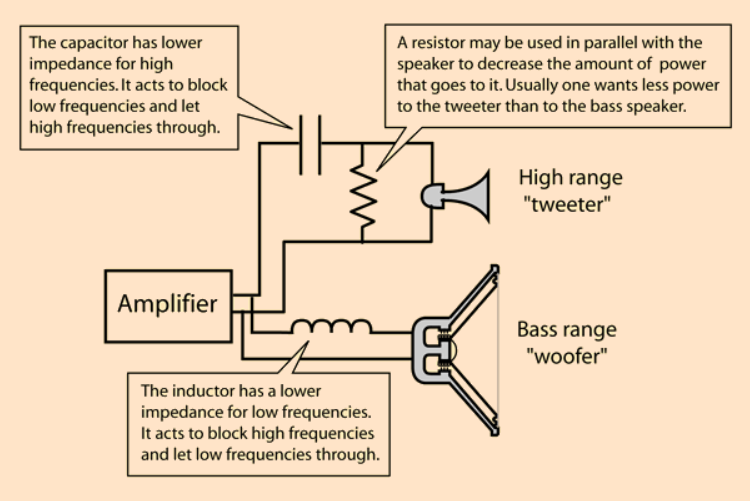
A crossover network is an electronic circuit inside a speaker system that divides the audio signal into different frequency ranges and sends each range to the appropriate driver:

  • Low frequencies → Woofer / Subwoofer
  • Mid frequencies → Midrange driver
  • High frequencies → Tweeter or HF driver

This separation ensures that each speaker component handles only the frequencies it’s designed for, resulting in cleaner sound, better clarity, and improved speaker life.

Why Crossover Networks Are Essential in DJ Speakers

DJ speakers are built to handle high volume, heavy bass, and long performance hours. Without a proper crossover network:

  • Bass could distort high frequencies
  • Tweeters could get damaged by low-frequency signals
  • Overall sound would feel muddy and unbalanced

A quality crossover network ensures:
✔️ Clear highs
✔️ Tight mids
✔️ Powerful, controlled bass

This is why professional DJ speaker brands like Sousys focus heavily on precision crossover design.

Types of Crossover Networks in DJ Speakers

  1. Passive Crossover Networks

Passive crossovers are built using capacitors, inductors, and resistors and are placed inside the speaker cabinet.

Key features:

  • No external power needed
  • Common in passive DJ speakers
  • Simple and reliable design

Passive crossovers are ideal for portable DJ setups, PA systems, and event sound, where durability matters.

  1. Active Crossover Networks

Active crossovers work before the amplifier stage and require a power source.

Key features:

  • More precise frequency control
  • Better sound clarity and efficiency
  • Common in active (powered) DJ speakers

High-end DJ setups and professional sound systems often use active crossovers for maximum audio control and performance.

2-Way vs 3-Way Crossover Systems

🔊 2-Way Crossover

  • Splits sound into low and high frequencies
  • Woofer + Tweeter
  • Common in compact DJ speakers

🔊 3-Way Crossover

  • Splits sound into low, mid, and high frequencies
  • Woofer + Midrange + Tweeter
  • Used in larger, professional DJ speaker systems

Sousys DJ speakers are designed to balance power handling and clarity, making both configurations effective depending on the application.

How Crossover Quality Affects Sound Performance

A well-designed crossover network improves:

  • Frequency balance
  • Sound separation
  • Speaker efficiency
  • Reduced distortion at high volumes

Poor-quality crossovers, on the other hand, can lead to:

  • Harsh highs
  • Weak mids
  • Premature speaker damage

This is why Sousys uses high-grade components in crossover networks to ensure consistent performance across events.

Choosing the Right DJ Speaker with the Right Crossover

When selecting DJ speakers, don’t just look at wattage. Consider:

  • Type of crossover (active or passive)
  • Frequency response range
  • Application (club, outdoor event, wedding, festival)
  • Compatibility with amplifiers and mixers

Sousys DJ speakers are engineered to deliver balanced sound output, ensuring that crossover networks complement the drivers perfectly.

Crossover networks may be hidden inside the speaker cabinet, but they play a huge role in shaping your sound. For DJs who demand clarity, punch, and reliability, understanding crossover networks helps in making informed decisions.

With Sousys DJ speakers, every frequency gets the attention it deserves—so your audience hears music exactly the way it’s meant to be heard.


Difference Between PA Speakers and DJ Speakers

Difference Between PA Speakers and DJ Speakers

When it comes to live sound, choosing the right type of speaker makes all the difference. Two popular categories often confused are PA Speakers and DJ Speakers. While both are designed for loud and clear audio, they serve different purposes and are built with different performance needs in mind.

In this blog, we break down the key differences to help you understand which one suits your sound requirements.

  1. What Are PA Speakers?

PA (Public Address) speakers are designed mainly for speech clarity, announcements, presentations, and live performances. They are built to project sound evenly across a crowd.

Where PA Speakers Are Used

  • Public gatherings
  • Corporate events
  • Schools & auditoriums
  • Live bands
  • Houses of worship

PA speakers focus on balanced sound rather than deep bass.

  1. What Are DJ Speakers?

DJ speakers are designed for music playback, mixing, parties, and events where strong bass and powerful output are required.

Where DJ Speakers Are Used

  • DJ events
  • Clubs & lounges
  • Weddings & parties
  • Music festivals
  • Personal DJ setups

DJ speakers are built to deliver punchy bass, high volume, and rich sound, perfect for energetic environments.

  1. Sound Output & Frequency Response

PA Speakers

  • Prioritize clarity over loudness
  • Smoother, flatter frequency response
  • Designed to reproduce vocals and speech accurately

DJ Speakers

  • Boosted low-end and midrange
  • Higher output for energetic performances
  • Built for bass-heavy music styles like EDM, hip-hop & Bollywood
  1. Build & Design Differences

PA Speakers

  • Lightweight and portable
  • Simple design with minimal emphasis on aesthetics
  • Ideal for speech or live band instruments

DJ Speakers

  • Heavy-duty construction
  • Strong magnets, larger woofers, and reinforced cabinets
  • Built to withstand extended hours of loud music
  1. Tweeters & Woofers

PA Speakers

  • Smaller woofers
  • Crisp tweeters for vocal clarity
  • Limited low-frequency output

DJ Speakers

  • Larger woofers (12″–18″)
  • High-power tweeters & horn drivers
  • Designed for deep bass and loud sound
  1. Power Handling & Amplification

PA Speakers

  • Lower power handling
  • Often paired with PA amplifiers
  • Suitable for speeches and moderate music

DJ Speakers

  • High RMS & peak power
  • Designed to handle continuous, high-volume playback
  • Perfect for DJ mixing and live music sessions
  1. Use Case Comparison
Feature PA Speakers DJ Speakers
Purpose Speech, vocals, live performance Music playback, DJ events
Bass Output Moderate Strong & punchy
Power Medium High
Durability Light to medium duty Heavy duty
Best For Events, seminars, bands DJs, clubs, parties
  1. Which One Should You Choose?

Your choice depends on your purpose:

Choose PA Speakers if you need:

  • Clear speech projection
  • Balanced sound
  • Lightweight, portable systems
  • Audio for presentations and performances

Choose DJ Speakers if you need:

  • Loud volume
  • Heavy bass
  • Durable, long-hour playback
  • Sound for parties, clubs, or DJ mixing

Although PA speakers and DJ speakers look similar, their performance and purpose are very different. PA speakers prioritize clarity and coverage, while DJ speakers deliver power, bass, and musical impact.

Understanding these differences helps you pick the right system for your event or setup—ensuring sound that matches your space, audience, and energy.

Why Indian Weddings Need High-Throw Speakers

Indian weddings are grand, vibrant, and full of energy. From the Baraat to the Sangeet, every moment demands powerful sound that can reach large gatherings without losing clarity. This is where high-throw speakers become essential.

Whether you’re managing a destination wedding, an outdoor lawn event, or a large banquet hall, high-throw speakers ensure that every beat, every announcement, and every musical moment is heard clearly across long distances.

  1. Indian Weddings Have Large, Spread-Out Crowds

Most Indian weddings host 250–1000+ guests, often spread across open venues.

Why high-throw speakers matter

  • They project sound farther without distortion
  • Ensure people at the back hear as clearly as those near the stage
  • Maintain consistency in music and announcements

Traditional speakers can lose power after 30–40 feet, but high-throw systems maintain clarity over long distances.

  1. Outdoor Venues Need Long-Distance Coverage

Wedding lawns, farmhouses, and open banquet spaces make sound disperse quickly.

High-throw speakers help by:

  • Reducing sound drop-off
  • Providing stronger mid and high frequencies
  • Cutting through wind and environmental noise

This ensures the event feels immersive, no matter the size of the space.

  1. Baraat & Processions Demand Powerful Projection

The Baraat is one of the loudest and most energetic parts of an Indian wedding.

Why regular speakers fail here

  • They are not designed for moving processions
  • Sound gets lost in open streets
  • Bass becomes unclear and scattered

High-throw DJ speakers, especially 15″ and 18″ units, provide the punch required for outdoor movement and large crowds.

  1. Sangeet Performances Need Crystal-Clear Vocals

Sangeet nights involve:

  • Live singing
  • Dance performances
  • Anchoring
  • Family announcements

High-throw speakers ensure:

  • Vocals stay crisp
  • Music carries evenly
  • Performers and audience hear every detail

With controlled dispersion and strong projection, these speakers create a professional-stage-like sound.

  1. High-Throw Speakers Handle Higher SPL Without Distortion

Indian wedding music is loud—dhol, Bollywood remixes, DJ mashups, and live bands.

High-throw speakers are engineered for:

  • Higher SPL (Sound Pressure Level)
  • Long-duration performance
  • Deep bass + clear highs at high volume

Sousys high-power speakers, especially 15″, 18″, and 21″ models, are made for this kind of dynamic, high-energy use.

  1. Better Coverage Means Fewer Speakers Needed

With long-throw capability, you don’t need to place dozens of speakers across the venue.

Advantages

  • Lower equipment cost
  • Clean setup
  • Better sound uniformity
  • Less cable clutter
  • Reduced feedback and echo issues

A pair of high-throw speakers can cover an entire 100–150 ft area efficiently.

  1. Perfect for Destination Weddings

Beach weddings, palace venues, hill resorts — sound behaves unpredictably outdoors.

High-throw speakers provide:

  • Long forward projection
  • Better control in open air
  • Consistent audio for ceremonies and music nights

This ensures that even destination weddings maintain a premium sound experience.

  1. Ideal Match for Indian Music

Indian wedding sound includes:

  • Bass-heavy DJ tracks
  • Mid-range vocal performances
  • Traditional instruments (dhol, tabla, shehnai)
  • Emcee announcements

High-throw speakers reproduce all these frequencies accurately, giving a balanced, powerful sound profile.

Indian weddings are celebrations of music, energy, and togetherness. High-throw speakers ensure that the sound experience matches the scale of the event. With strong projection, wide coverage, and clarity over distance, they’re a must-have for DJs, event planners, and sound providers.

Sousys high-performance speakers — from 12-inch tops to 21-inch subwoofers — are designed to deliver the power, clarity, and throw needed for Indian wedding events of any scale.


How to Store Your Audio Gear During Off-Season

Whether you’re a DJ, event organizer, or sound engineer, your audio equipment is one of your biggest investments. During the off-season—months when events slow down—it’s important to store your speakers, subwoofers, cables, and audio accessories properly to prevent damage and extend their lifespan.

Here’s a simple guide to help you store your audio gear the right way.

  1. Clean Everything Before Storing

Dust, moisture, and dirt can damage speaker cones and electronics.

What to do

  • Wipe your speakers with a dry microfiber cloth
  • Remove dust from grills and ports
  • Clean connectors with electronic contact cleaner
  • Vacuum flight cases or bags

A clean start prevents long-term corrosion and mould.

  1. Keep Gear in a Dry, Cool Environment

Audio equipment is sensitive to humidity and temperature.

Avoid storing in:

  • Damp basements
  • Sun-facing rooms
  • Near windows
  • Non-ventilated storage rooms

Ideal storage conditions

  • Room temperature (20–25°C)
  • Low humidity (40–55%)
  • Use moisture absorbers or silica gel packs

This protects speaker cones, magnets, and internal components.

  1. Protect Speakers with Covers or Cases

Speaker cabinets can get scratched or dented easily during storage.

Best protection options

  • Padded speaker covers
  • Heavy-duty flight cases
  • Dust covers for short-term storage

If you’re storing line arrays, stack them properly and avoid pressure on the HF horns.

  1. Disconnect Cables and Wrap Them Properly

Leaving cables connected can bend ports or cause internal stress.

Do this before storing:

  • Remove all cables from speakers and mixers
  • Coil cables using the “over-under” method
  • Use Velcro ties to keep them secured
  • Label them if you have multiple sizes

Proper cable care prevents short circuits and cracking.

  1. Store Subwoofers and Heavy Speakers on the Floor

Large subs and heavy speakers should stay on solid surfaces.

Why

  • Prevents accidental falls
  • Keeps internal components stable
  • Avoids stress on cabinet joints

Use a platform or pallet to keep them slightly lifted from direct ground contact.

  1. Remove Batteries from Wireless Gear

Wireless mics, transmitters, and remotes can leak battery fluid during long storage.

Always remove:

  • AA/AAA batteries
  • Rechargeable packs
  • Remote-control batteries

Store batteries separately in a cool, dry box.

  1. Cover Ports and Connectors

Dust entering speaker ports and HF horns can affect performance.

Tips

  • Use foam plugs or cloth to cover large ports
  • Seal connectors with dust caps
  • Keep mixers and amplifiers covered when not in use

This keeps sensitive components safe.

  1. Keep Gear Off the Ground in Damp Areas

If your storage space has humidity issues:

  • Place speakers on small risers
  • Use wooden pallets
  • Add a dehumidifier in the room

Preventing moisture is crucial for speaker cones and steel frames.

  1. Power Up the Equipment Once a Month

Electronics need occasional activation to stay healthy.

How to maintain gear:

  • Plug in amps, mixers, and speakers
  • Run them for 10–15 minutes
  • Check for any unusual noise or distortion

This keeps capacitors and circuits functioning well.

  1. Create an Inventory List

If you have multiple pieces of gear:

  • Label each item
  • Maintain a storage checklist
  • Note any items that need repair or servicing

This makes setup easier when the season returns.

Proper off-season storage keeps your audio gear performing like new and saves you from expensive repairs. Whether you use Sousys 12 inch dj speaker, 15 inch dj speaker, 18 inch dj speaker, or 21 inch DJ speakers, taking a little care now ensures they deliver powerful sound when you need them again.


Proud Participant

Subscribe to our Newsletter

Subscribe to our newsletter to get latest news about our products, events and sales.

How can I help you?